

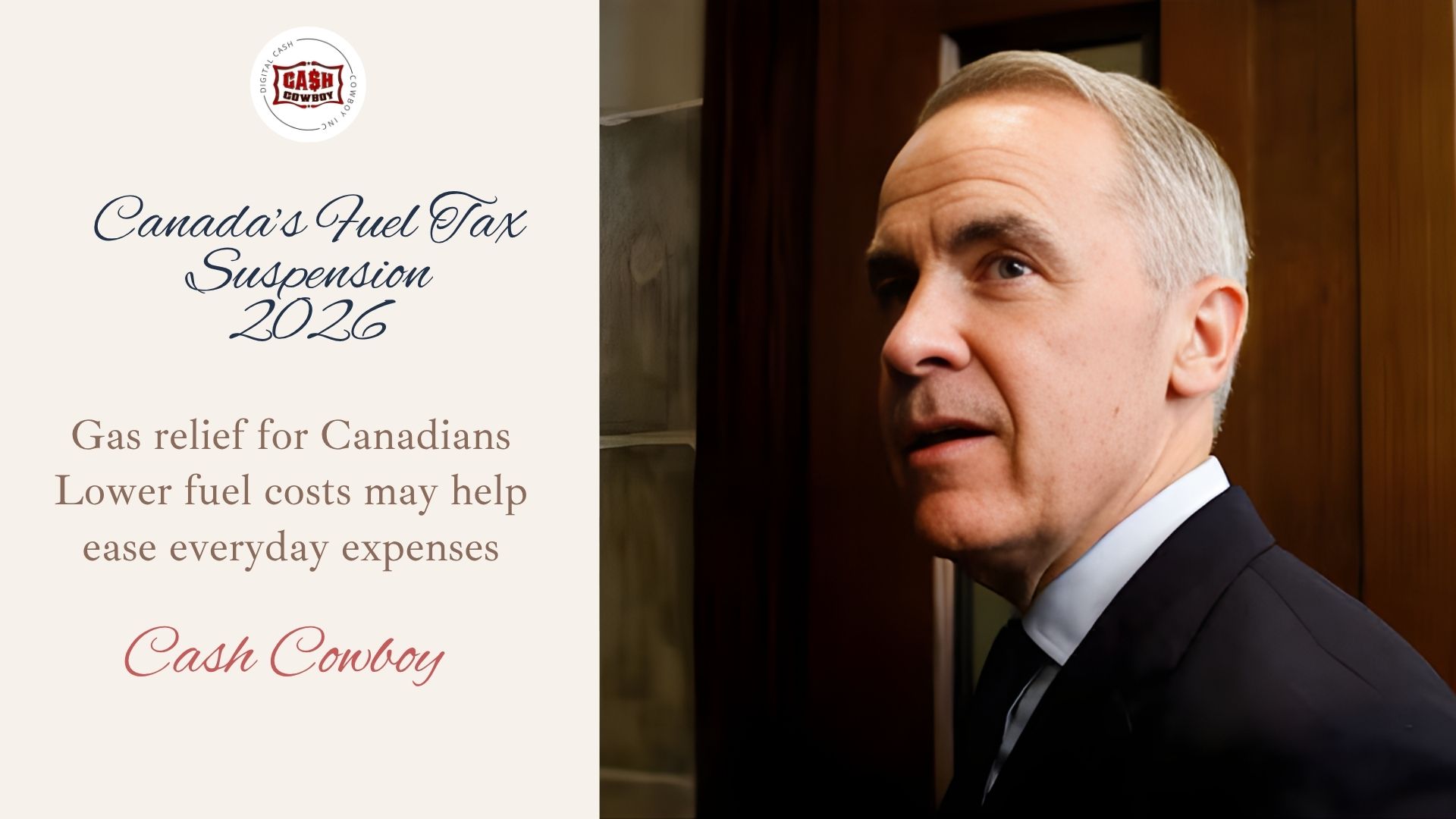
Fuel Tax Suspension and What It Could Mean at the Pump
Canada’s Fuel Tax Suspension is expected to reduce regular gasoline prices by 10 cents per litre and diesel by 4 cents per litre, according to the federal government and multiple news reports. That does not mean every household will suddenly feel rich, but it does mean drivers may notice some breathing room on weekly fill-ups. Global News reported that analyst Patrick De Haan expects a noticeable change quickly, with average savings of about $4 to $8 on a gasoline fill-up. For families who drive daily for work, school, or caregiving, that kind of savings can stack up over the summer. Sources: Canada Global News
Fuel Tax Suspension and Why It Matters Beyond Gasoline
Canada’s Fuel Tax Suspension is not only about drivers filling a personal vehicle. Fuel costs ripple through the economy because transportation affects groceries, courier services, trades, construction, agriculture, and many everyday goods. Reuters noted that the government framed the move as a way to reduce operating costs tied to transportation, food, housing, construction, and delivery. That matters because when diesel and gasoline costs rise, the pressure often spreads beyond the gas station and into checkout totals elsewhere. Any move that eases fuel pressure can help reduce at least some of that strain, even if the effect is uneven across sectors. Sources: Reuters Reuters
Fuel Tax Suspension Comes After Rising Pressure on Household Spending
Canada’s Fuel Tax Suspension is arriving at a time when fuel has already been taking a bigger bite out of household spending. Global News reported that an RBC consumer spending tracker found Canadian spending on gasoline rose 9.1% in March, with the tracker pointing to geopolitical tensions and higher gasoline prices as a driver of essential spending. Statistics Canada also said gasoline prices rose month over month in February, with higher crude prices and supply disruptions contributing to that increase. In plain terms, many Canadians were already feeling fuel stress before this tax move was announced, which helps explain why the story is resonating so strongly. Sources: 150.statcan.gc.ca Global News
Fuel Tax Suspension and the Limits of Short-Term Relief
Canada’s Fuel Tax Suspension can help, but it should not be mistaken for a complete solution to affordability challenges. Bank of Canada Governor Tiff Macklem said higher oil prices squeeze consumers and businesses and can push inflation up in the near term if those pressures spread more broadly. That means lower fuel taxes may offer relief while the deeper issue—volatile global energy costs—still remains. Even commentary carried by Global News suggested the direct savings on a fill-up may be helpful without being large enough to fix bigger financial problems like rent, debt, or mortgage pressure. It is a useful bridge, not a full reset. Sources: Bank of Canada Global News
Fuel Tax Suspension and How Families Can Use the Savings Better
Canada’s Fuel Tax Suspension may be most useful when households treat the savings intentionally rather than casually. A few dollars saved on each fill-up might not feel dramatic in the moment, but over several months it can help cover a bill, reduce credit-card use, or create a small emergency cushion. If prices do drop as expected, this is a good time for families to review fuel-heavy spending habits such as extra driving, duplicate errands, or delivery costs that have become routine. Relief works best when it is paired with a plan. Small savings become more meaningful when they are redirected toward essentials instead of disappearing unnoticed. Sources: Reuters Canada
Fuel Tax Suspension and the Bigger Budget Lesson for 2026
Canada’s Fuel Tax Suspension is a reminder that daily budgets are shaped not only by wages and rent, but also by policy changes and global events that can quickly affect essentials. The government estimates the temporary measure will provide more than $2.4 billion in total tax relief in 2026, which shows how seriously fuel costs are being treated right now. Still, the bigger lesson for readers is practical: when costs shift, even temporarily, the smartest move is to adjust quickly and protect cash flow. Whether the savings are modest or meaningful, this story is really about staying flexible when household expenses are anything but predictable. Sources: Canada Canada AP News
CashCowboy understands that even when positive news like lower fuel costs brings a little relief, many Canadians still face everyday financial pressure from bills, groceries, transportation, and other unexpected expenses. That is why we offer a simple online application process, fast review, and flexible short-term loan options to help eligible customers manage urgent financial needs when timing matters most. Whether it is covering essential costs, handling a temporary gap between paydays, or staying on track during a tight month, CashCowboy is here to provide practical support when extra funds are needed.
If moments like this stretch your spending more than expected, Cash Cowboy offers personal loans online in Canada, with bad credit considered.