

The Story (No Spoilers)
Adapted from the 2002 documentary of the same name, Safdie traces Kerr’s late-1990s rise through MMA while wrestling with opioid dependency and a volatile romance with Dawn. The film favors psychological pressure over standard underdog beats fight scenes are often shot from a distance, keeping us outside the ropes and inside Kerr’s head. That “anti-biopic” choice is noted by RogerEbert.com, which calls the approach observational rather than rousing.
The Performances: Transformation Over Spectacle
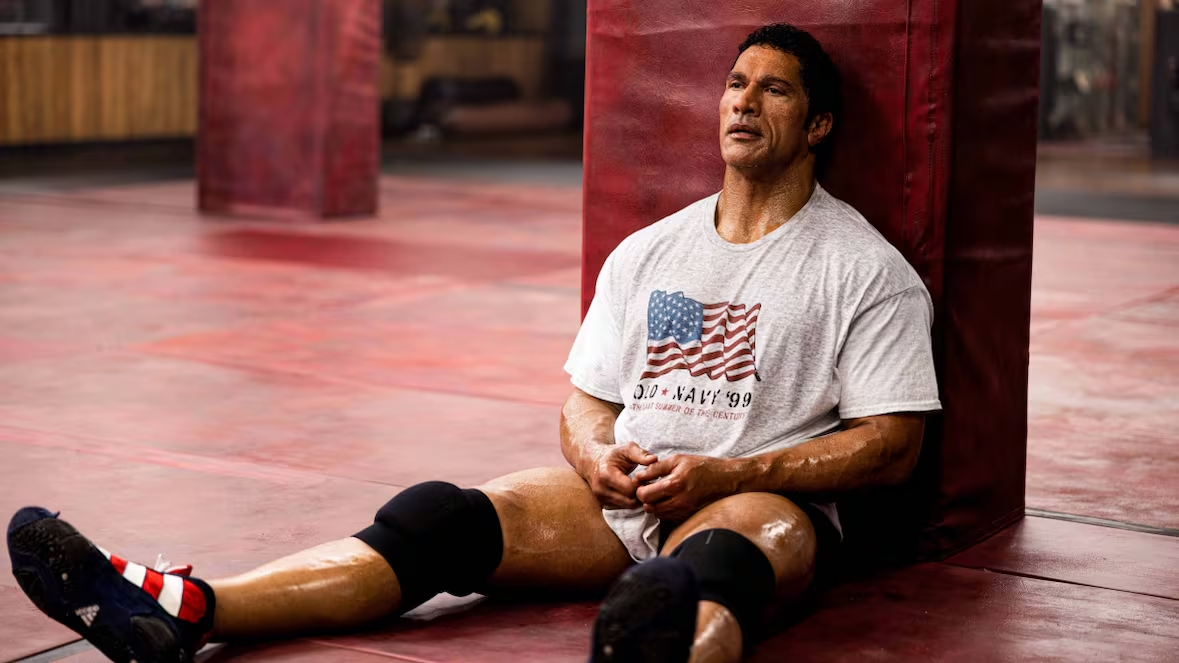
Across outlets, Johnson’s work is the headline. AP says he’s “never been better,” shedding charisma for vulnerability. The Independent even floats early Oscar talk, praising how the movie examines pain, dependency, and hollow victory. Emily Blunt counters with a jagged, lived-in performance her Dawn can be enabling and loving in the same breath, complicating easy hero myths. A sharp craft note: the production’s 16mm textures and prosthetic work help Johnson disappear into Kerr, while still letting Blunt’s reactive energy dominate the domestic scenes.
The Smashing Machine Review: What Critics Agree (and Don’t)
- Home as the real arena: GQ argues the most intense “fights” happen off the mat, with Safdie staging raw, hidden-camera-style confrontations at home that outstrip the violence in the cage.
- Raw but restrained: LA Times and The New Yorker say Safdie’s cool distance can feel passionless—precise, yes, but withholding conventional catharsis.
- Career-best turn for Johnson: Alongside AP, outlets like The Ringer credit Johnson’s restraint and physical transformation while wishing the film pushed harder dramatically.
- Early audience sentiment: Early reactions trend positive on Rotten Tomatoes, praising Johnson/Blunt chemistry and the tactile, grainy look.
Style & Theme: An “Anti-Biopic” About Control
Safdie keeps the camera at an ethical distance: wide frames, rope-obstructed angles, and ambient sound that favors breath over blows. We watch a man built for domination fight to control painkillers, attention, and the people he loves—often losing rounds the scoreboard can’t see. The film’s quiet thesis echoes through its form: the spectacle is the mask; the person is the real story. That lines up with TIFF’s program note describing a “powerful and gritty account” anchored by performance and texture.
Should You See It?
If you want a rah-rah sports movie, this isn’t it. If you’re curious to see a megastar rewire his screen persona and you don’t mind a film that withholds easy highs—this is one of the year’s most intriguing left turns. As Rolling Stone puts it, the movie can feel like a “mood piece,” but the performances linger.
Ticket Tips & Where to Watch
The film’s rolling out wide via A24. Check local listings and aggregated critic/audience scores on Rotten Tomatoes or the official page at IMDb for release details near you.
Budgeting Your Night Out (Cash Cowboy Tip)
Between tickets, parking, and post-movie plans, a simple night can get pricey fast. If an unexpected bill lands the same week as your plans, Cash Cowboy offers fast, licensed short-term options so you don’t have to cancel. For everyday strategies, visit our guide to managing financial struggles.